Best fat tire electric bikes
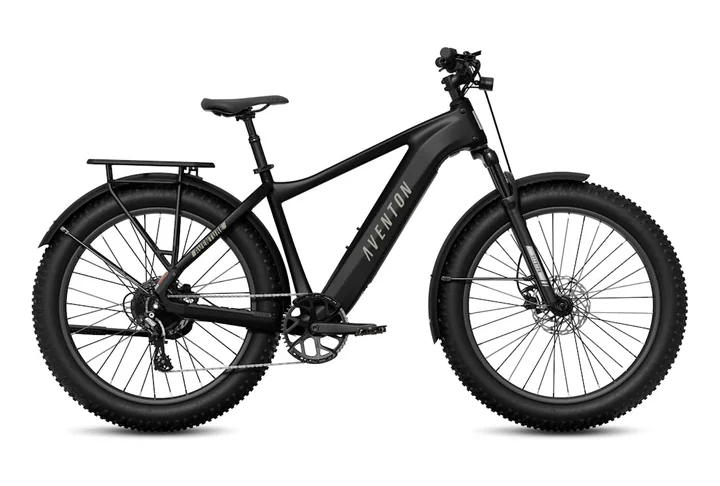
Fat tires look tough, and on the right surface they earn it. Four-inch rubber floats over sand, packed snow, gravel, and broken trail in a way no skinny tire can match, and the extra air volume soaks up potholes so your wrists stop complaining. I ride and wrench on these bikes every week, and here is the reality: most riders who buy a fat tire ebike never leave pavement, and on pavement those tires mostly add weight, rolling drag, and battery drain. So this page sorts out when fat tires are the right call and which bikes actually deliver the goods.
Quick verdict: the Aventon Aventure 3 ($1,749) is the fat tire bike I point most people to. It pairs a real torque sensor with a 750W motor that peaks at 1,440W, so it climbs and accelerates like it means it, and the build quality holds up to abuse. If you want fat-tire capability without the full fat-tire weight penalty, the foldable Lectric XP4 starts at $999 and is the better-value pick. Below I break down the rankings, then the honest math on tires, power, range, and weight.
Do you actually need fat tires?
Almost nobody asks this before buying, so here goes. A fat tire is a tire roughly 3.8 to 4.5 inches wide. That width does two real jobs: it spreads your weight over more surface area so the bike floats instead of sinking, and it holds a big cushion of low-pressure air that smooths out rough ground.
Fat tires make sense if you ride:
- Sand or soft dirt. Beaches, dunes, loose fire roads. Skinny tires dig in and stop you dead; fat tires stay on top.
- Snow. Packed or light snow is exactly what fat tires were invented for. Drop the pressure and they grip.
- Rough trails and gravel. Roots, ruts, washboard. The air volume does the work a suspension fork would otherwise do.
- Pure comfort. If your spine hates potholes, the cushion is real even on pavement.
Fat tires are the wrong call if you mostly ride paved streets and bike paths. On smooth asphalt all that rubber adds rolling resistance, which means slower coasting, more pedaling effort, and shorter range from the same battery. The tires are also heavier, and these bikes already tip the scale. If your commute is clean pavement, a lighter commuter will be faster and go farther on a charge. Read our best commuter electric bikes guide before you commit to the fat-tire weight, and walk through how to buy an electric bike if you're still narrowing down the category.
The rankings at a glance
Here's how the fat-tire-capable bikes I trust stack up. The Aventure 3 is a true 4-inch fat bike. The Lectric XP4 runs narrower fat-ish tires on 20-inch wheels and folds, which makes it a different animal but a smart buy for a lot of people.
| Bike | Price | Motor | Tires | Sensor | Advertised range | Weight |
|---|---|---|---|---|---|---|
| Aventon Aventure 3 | $1,749 | 750W (1,440W peak) | 4-inch fat | Torque | Up to 65 mi | ~77 lbs |
| Lectric XP4 | From $999 | 500W (750W option) | 20-inch fat-ish, foldable | Cadence | 50 to 85 mi | 62 lbs |
The Aventure 3 wins on ride quality and the torque sensor. The XP4 wins on price, fold-ability, and a battery option that's frankly huge for the money. Pick based on what you ride and how you store it.
Best overall fat tire ebike: aventon aventure 3
The Aventon Aventure 3 is the one I'd buy with my own money. At $1,749 it's not cheap, but you feel where the money went the first time you pedal. The big reason is the torque sensor, which scales assist to how hard you press the pedals (torque versus cadence, explained). The result is a bike that feels like a strong version of your own legs rather than a moped with pedals. On loose sand and snow, that smooth, predictable power is the difference between staying upright and spinning out.
The 750W motor with a 1,440W peak has real punch. Steep gravel climbs that bog down lesser fat bikes, this one just chews through. The 4-inch tires float over soft ground the way fat tires are supposed to, and the upright fat-bike geometry is genuinely comfortable for an hour-plus in the saddle. You also get turn signals, a color display, and app control, which on a bike this size is nice for visibility on the road.
The catch is weight. At roughly 77 lbs this is a heavy machine. Lifting it onto a hitch rack or carrying it up apartment stairs is a two-handed, brace-your-back affair. If you have to haul it up to a third-floor walkup every night, think hard. But if you can roll it in and out of a garage, the weight disappears the moment you start riding. Check the current Aventure 3 price if it's the surface you ride for.
Best value: lectric xp4
The Lectric XP4 starts at $999, and dollar for dollar nothing else in this guide touches it. It's not a true 4-inch fat bike, it runs narrower tires on 20-inch wheels and it folds, but those tires are wide and grippy enough to handle hardpack trails, gravel, and the occasional sandy stretch while staying lighter and nimbler than a full fat bike. At 62 lbs it's the lightest bike here, and the fold means it goes in a trunk, a closet, or under a desk.
You can option it up to a 750W motor, and the headline number is the up-to-840Wh battery, which is massive for a sub-thousand-dollar bike. That's where the optimistic 50 to 85 mile range claim comes from. Spoiler: you won't see 85 miles in the real world, and I'll explain why in the range section, but the big battery still means genuinely long legs for the price.
The honest knock is the cadence sensor. Power comes in as on-or-off steps rather than the smooth swell you get from the Aventure 3's torque sensor. On a beach or in snow that abruptness can break traction, so you learn to feather the throttle. For pavement, light trail, and folding storage, the XP4 is the smart-money pick. Folding fans should also skim our best folding electric bikes roundup. When you're ready, see the latest XP4 pricing.
Power, tires, range, and weight: the four numbers that matter
Four specs tell you whether a fat tire ebike is any good, and the spec sheet usually hides them in plain sight.
Power. Fat tires drag, so you need a motor with real torque to overcome them, especially on hills and soft ground. The Aventure 3's 1,440W peak is why it climbs so well. A weaker motor on fat tires feels gutless. Note that nominal wattage (750W) and peak wattage (1,440W) are different numbers; peak is what you feel on a steep pinch.
Tires. Width is only half the story; tire pressure does the rest. Run high pressure (around 20 psi) on pavement to cut drag, then drop to 8 to 12 psi for sand and snow so the tire spreads and grips. Most riders never touch their pressure and then wonder why the bike feels slow on the road and sketchy on the beach. Buy a decent gauge and a hand pump.
Range. Bigger battery, more miles, but fat tires eat range faster than skinny ones. The Aventure 3 carries roughly 720Wh and is rated up to 65 miles; the XP4 can be optioned to 840Wh for that 50 to 85 mile claim. Treat those numbers as ceilings, not promises (full breakdown below).
Weight. Fat bikes are heavy, period. The Aventure 3 is around 77 lbs and the XP4 is 62 lbs. Weight affects storage, transport, and how the bike handles if the battery dies and you have to pedal it home unassisted. A 77-pound bike with no juice is a workout. If you want the deeper mechanical tradeoffs, our hub motor vs mid-drive explainer covers how the drivetrain choice plays into all of this.
The truth about advertised range
Brands quote the kindest possible test, so knock a chunk off whatever number you see before you trust it (here is how the math works). In practice the XP4's 50 to 85 mile claim lands closer to 35 to 55 miles, and the Aventure 3's 65 drops to roughly 35 to 45 once you use the assist and ride any hills. Fat tires, higher assist, cold weather, hilly terrain, a heavier rider, and throttle use all pull it down further.
None of that makes these bikes liars, it just means you have to translate the spec. If you genuinely need 40 miles between charges, buy a bike advertised at 60-plus and you'll be fine. If you're a beach cruiser doing 10 miles on the weekend, range is a non-issue and you can ignore the whole conversation. Check ebike classes explained so you know what speed and assist you're legally allowed to use where you ride.
Which fat tire ebike should you buy?
Here is the decision in three lines.
- Buy the Aventon Aventure 3 if you ride real off-pavement terrain, sand, snow, gravel, rough trail, and you want the smoothest, most natural power delivery. The torque sensor and 1,440W peak make it the most capable bike here. Just be sure you can live with the weight.
- Buy the Lectric XP4 if you want fat-ish capability at the lowest price, need a bike that folds for storage or transport, or want the biggest possible battery for the money. It's the value champ, with the tradeoff being a cadence sensor and narrower tires.
- Skip fat tires entirely if your riding is mostly clean pavement and bike paths. You'll be faster, lighter, and get more range from a commuter. Don't pay the weight and drag tax for capability you'll never use.
Whichever way you go, buy the surface you actually ride, not the surface you imagine in the brochure. If you want to compare against the brands we cover across categories, start from our best electric bikes overall page, or read the full Aventon Aventure 3 review when you're ready to commit.
Compare our tested top picks side by side, with real specs, photos and honest pros and cons.
Independent and reader-supported. Some links in our reviews are affiliate links that never change our rankings. How we test.
Frequently asked questions
Are fat tire electric bikes good for everyday commuting?
Only if your commute includes rough surfaces, sand, snow, or you really value the cushioned ride. On smooth pavement the wide tires add rolling drag and weight, which means slower coasting, more effort, and less range from the same battery. For a clean paved commute, a lighter standard commuter ebike will be faster and go farther on a charge.
How much real range do fat tire ebikes get?
Expect to lose a third or more of the advertised figure once you ride for real. The Aventon Aventure 3 is rated up to 65 miles but realistically delivers around 35 to 45 with hills and assist, and the Lectric XP4's 85-mile claim lands closer to 35 to 55. Fat tires, higher assist, cold, hills, and heavier riders all cut into it.
Should I lower my fat tire pressure off-road?
Yes, and most riders never do. Run higher pressure (around 20 psi) on pavement to reduce drag, then drop to roughly 8 to 12 psi for sand and snow so the tire spreads out and grips. Get a gauge and a hand pump. Tuning pressure for the surface is the single biggest thing that makes a fat tire bike feel right instead of slow and sketchy.
Why does the Aventon Aventure 3 cost more than the Lectric XP4?
You're paying for a true 4-inch fat tire build, a torque sensor instead of a cadence sensor, and a 750W motor that peaks at 1,440W. That torque sensor scales power to your effort, which matters a lot for traction on loose ground. The XP4 at $999 is excellent value but uses a cadence sensor and narrower folding-friendly tires.
Are fat tire ebikes too heavy to handle?
They are heavy. The Aventure 3 is around 77 lbs and the XP4 is 62 lbs. On the road that weight disappears once you're moving, but it matters for lifting onto a car rack, carrying up stairs, or pedaling home if the battery dies. If you have a third-floor walkup with no elevator, weigh that carefully before buying a full fat bike.

I wrench on and ride these bikes year round, and I write every review and guide here. I rank by what holds up on real roads, not by who pays the most. How we test →