Best cargo electric bikes
A cargo ebike has one job: carry weight and still feel safe doing it. That is a different problem than picking a fast commuter, because once you load a kid on the back or strap 40 lbs of groceries to the rack, everything changes. The bike gets heavier to balance at low speed, the brakes have more to stop, and a cheap frame starts to feel nervous. I wrench on and ride these bikes loaded, not empty in a parking lot, so this ranking is about what actually holds up when you use the thing like a second car.
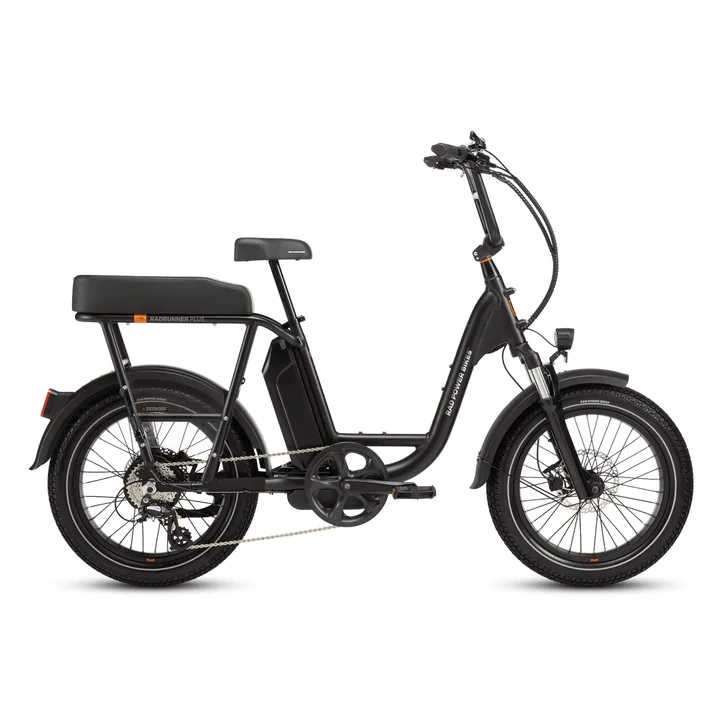
Quick verdict: the Rad Power RadRunner Plus is the one I steer most people to. At $1,799 it is not the flashiest bike here, but the low step-through, the genuinely huge accessory ecosystem and the way it shrugs off a passenger make it the most useful utility bike for the money. It tops out at 20 mph, and for hauling a person that is a feature, not a flaw.
The best cargo and utility ebikes
These are utility-first bikes, ranked by how they carry weight and how confident they feel doing it, not by top speed. Three of them are purpose-built haulers and the rest are commuters with enough frame and rack to moonlight as cargo bikes.
| Bike | Price | Motor | Top speed | Best for |
|---|---|---|---|---|
| Rad Power RadRunner Plus | $1,799 | 750W hub | 20 mph | Passengers, kids, accessory builds |
| Aventon Aventure 3 | $1,749 | 750W (1,440W peak) | 28 mph | Heavy loads plus rough roads |
| Velotric Discover 2 | $1,699 | 750W hub (75Nm) | 28 mph | Comfort hauling, longer rides |
| Lectric XP4 | from $999 | 500W (750W option) | 28 mph | Budget utility, small spaces |
| Ride1Up 700 Series | $1,595 | 750W hub | 28 mph | Daily errands, rack included |
If you want a bike that is purely about commuting fast and light instead of hauling, look at my best commuter electric bikes guide instead. There is plenty of overlap, but the priorities are different.
1. Rad Power RadRunner Plus, the utility bike to beat
The RadRunner Plus is built around the idea that you are going to put stuff, and people, on it. The low step-through frame is the quiet hero here. When you have got a passenger seated behind you or a loaded front basket, you do not want to swing a leg over a high top tube while balancing the whole rig. You just step through and go. That sounds minor until you do it twenty times a day.
The 750W hub motor pulls a loaded bike off the line without drama, and the 624Wh battery is good for 55-plus miles unloaded. Note that word: unloaded. Add a passenger and a few hills and I would plan around 30 to 40 real miles, which is still more than enough for school runs and grocery loops. Like most bikes in this class it runs a cadence sensor, which feeds power in preset steps rather than scaling to your effort (cadence vs torque sensors, explained). On a heavy cargo bike that matters less than on a sporty commuter, but you will feel a slight surge when assist kicks in. Ease into the throttle from a stop and it is a non-issue.
The 20 mph cap is the right call for a passenger hauler. Carrying a person changes how the bike handles in corners and how long it takes to stop, and I would rather not be doing that at 28. The brakes have real work to do with two people aboard, so keep the pads fresh. Where this bike truly separates itself is the accessory catalog: passenger seats, footpegs, baskets, running boards, child seats, panniers. You can configure it for almost any hauling job, and that flexibility is worth more over the life of the bike than a couple of spec-sheet numbers.
Who should skip it: if you want to keep up with 28 mph traffic on a fast road, this is not your bike. For everyone hauling kids, pets, or gear around town, it is the easy pick. Read my full RadRunner Plus review for the loaded-mile breakdown, or check the current price at Rad Power.
2. Aventon Aventure 3, the heavy-load workhorse
The Aventure 3 ($1,749) is a commuter that can moonlight as a light hauler, and it carries a load better than its spec sheet lets on. The 750W motor with a 1,440W peak has more grunt than anything else on this list, which is exactly what you want when the bike is loaded with bags and pointed up a hill. The 4-inch fat tires soak up potholes, gravel and curb drops that would rattle a thin-tired bike, so it is the one I reach for when the route includes rough roads or a bit of dirt. It is a rack-and-bags hauler more than a passenger machine, so think gear over kids on this one.
The big functional upgrade over the Rad is the torque sensor, which meters power to your actual effort instead of a fixed cadence step (here is the difference). Loaded, that feels natural and predictable, and it makes the bike easier to control at low speed when you are balancing weight. The roughly 720Wh battery is rated up to 65 miles, but with cargo and the bigger motor doing the work, plan on 35 to 45 real miles.
At about 77 lbs it is one of the heaviest here, and you feel that when you lift it onto a rack or carry it up steps. It unlocks to 28 mph (Class 3), so unlike the Rad you can run with faster traffic when you are riding solo. Turn signals and a color display round it out. If your hauling means heavy bags over bad pavement rather than a passenger on the back, this is the stronger tool. See the latest Aventure 3 pricing if that matches your roads.
3. Velotric Discover 2, the comfortable hauler
The Discover 2 ($1,699) is a step-through commuter that can moonlight as a light hauler, with enough motor and battery to carry a real load on the rack while keeping you upright and comfortable. The 750W hub puts out 75Nm, which is solid torque for moving weight, and the torque sensor gives it the same natural assist feel I praised on the Aventon. The upright comfort geometry means your back and wrists are not screaming after a long errand run with a full rack.
The 706Wh battery is advertised up to 75 miles. Knock a third or more off that for real loaded riding (why range claims run high), so call it 35 to 50 real miles depending on load and hills. The standout here is the UL-certified battery. With any ebike you are charging indoors near your family, and a pack that has passed independent safety testing is a real reason to pick it over an uncertified rival.
It is not a dedicated cargo platform, so the accessory options are narrower than the Rad's, and you are mostly hauling on a rear rack rather than seating a passenger. But for someone who wants comfortable, stable utility riding with a battery they can trust, it is an easy bike to recommend. If comfort and easy mounting are your top priorities, the step-through frame is a big part of why this one earns a spot.
What to look for in a cargo ebike
Cargo bikes live or die on a few things that do not show up well in marketing photos. Here is what I actually check before I trust one with a load.
Rated payload. This is the single most important number and the one brands bury. It is the total of rider plus passenger plus cargo. Add up everything you plan to carry, including yourself, and leave a margin. Overloading a bike stresses the frame, the spokes and the brakes, and it is how you end up with a broken rim on a school morning.
Frame and step-through. A low step-through frame is not just for convenience. When the bike is loaded and you are stepping on or off at a stop, a high top tube fights you for balance. For passenger and kid hauling, step-through wins almost every time. A stiff frame also keeps the bike from feeling vague and twitchy under weight.
Stability and wheel size. Smaller 20-inch wheels, like on the RadRunner and the Lectric, lower the load and the center of gravity, which makes a loaded bike feel planted and easier to balance at walking pace. Bigger wheels roll smoother over bumps but sit the weight higher. Fat tires add grip and cushioning, which helps when a heavy bike hits a pothole.
Brakes. Every bike I rank here uses hydraulic disc brakes, and for cargo you want nothing less. A loaded bike carries a lot of momentum, and underpowered brakes are the most common soft spot I see on cheap haulers. Whatever you buy, keep the pads fresh and the rotors clean, because worn pads on a heavy bike is a genuine safety problem, not a maintenance nicety.
20 vs 28 mph. For pure hauling, especially with a passenger, a 20 mph Class 2 bike is often the smarter buy. Carrying weight changes how the bike corners and how long it takes to stop, and 28 mph with a kid on the back is more bike than most people want to manage. If you also ride solo on fast roads, a Class 3 bike that unlocks to 28 gives you both modes. Our ebike classes explained guide breaks down what each class is legally allowed to do, which matters on bike paths and trails.
How to pick the right one for you
Start with the load, not the bike. If you are mostly carrying a passenger or a kid seat, get the RadRunner Plus for the step-through and the seating accessories, and accept the 20 mph cap as a safety win. If you are hauling heavy bags over rough or hilly terrain and riding solo, the Aventure 3's bigger peak motor and fat tires earn the extra reach to 28 mph. If you want comfort, a trusted battery and an upright ride for everyday errands, the Discover 2 is the relaxed choice.
On a tighter budget, the Lectric XP4 starts at $999 and folds, which makes it the one to consider if you store the bike in an apartment or haul it in a car. It is lighter-duty than the dedicated haulers and uses a cadence sensor, but for light utility it punches above its price. For more ways to stretch a budget without buying junk, see my best budget electric bikes picks and the broader how much an electric bike costs breakdown.
Whatever you land on, do not skip the basics before your first loaded ride. Check the tire pressure, squeeze the brakes, and walk the bike slowly with a load before you take it into traffic. My how to buy an electric bike guide walks through the full shopping checklist, and you can read how we test if you want to see the process behind these rankings.
Compare our tested top picks side by side, with real specs, photos and honest pros and cons.
Independent and reader-supported. Some links in our reviews are affiliate links that never change our rankings. How we test.
Frequently asked questions
What is the best cargo electric bike right now?
For most people hauling kids, a passenger or gear, the Rad Power RadRunner Plus at $1,799 is my top pick. The low step-through frame, the deep accessory catalog and the easy passenger setup make it the most genuinely useful utility bike for the money. Its 20 mph cap is actually a plus when you are carrying a person, since it keeps cornering and braking manageable.
How much weight can a cargo ebike carry?
It depends on the rated payload, which combines rider, passenger and cargo into one total. The dedicated haulers here are built to seat a passenger and carry gear, while the commuters are better at rack-only loads. Always add up everything you plan to carry, including yourself, and stay under the rated number with margin. Overloading stresses the frame, spokes and brakes, which is how parts fail.
Is 20 mph or 28 mph better for a cargo bike?
For hauling, especially with a passenger, 20 mph is often the smarter choice. Carrying weight changes how the bike corners and lengthens your stopping distance, so a calmer top speed is safer. The RadRunner Plus caps at 20 mph for that reason. If you also ride solo on faster roads, a Class 3 bike like the Aventure 3 that unlocks to 28 mph gives you both options.
Do cargo ebikes really reach their advertised range?
Rarely, and that is true across the board. Take any range claim and knock a third or more off it for loaded, real-world riding (I break down the math in ebike range explained). On a loaded cargo bike, plan around the bottom of the claimed figure and you will not get caught with a dead battery on a school run.
What brakes should a cargo ebike have?
Hydraulic disc brakes, no exceptions. A loaded bike carries a lot of momentum, and weak brakes are the most common safety problem I find on cheap haulers. Every bike I rank here uses hydraulics. Beyond the spec, keep the pads fresh and the rotors clean, because worn pads on a heavy bike are a real hazard rather than just routine upkeep you can put off.

I wrench on and ride these bikes year round, and I write every review and guide here. I rank by what holds up on real roads, not by who pays the most. How we test →